The Material
PENTELIC MARBLE
The foundation of Western civilization
is not an idea.
It is a material.
The foundation of Western civilization
is not an idea.
It is a material.
Marble is not manufactured. It is uncovered — ancient seabed, re-crystallised over a hundred million years by tectonic heat and pressure into an interlocking mosaic of calcite crystals.
No resins. No binders. No factory floor. Between quarry face and finished surface, there is only diamond wire and water.
Most marble is remarkable. One marble is singular.
It holds crisp, sharp detail at any scale — from the folds of a caryatid's robe to the edge of a contemporary countertop.
Light doesn't just reflect off the surface. It enters the crystal matrix, scatters beneath it, and returns transformed — a phenomenon physicists call subsurface scattering. This is what gives polished Pentelic marble its luminous, three-dimensional quality.
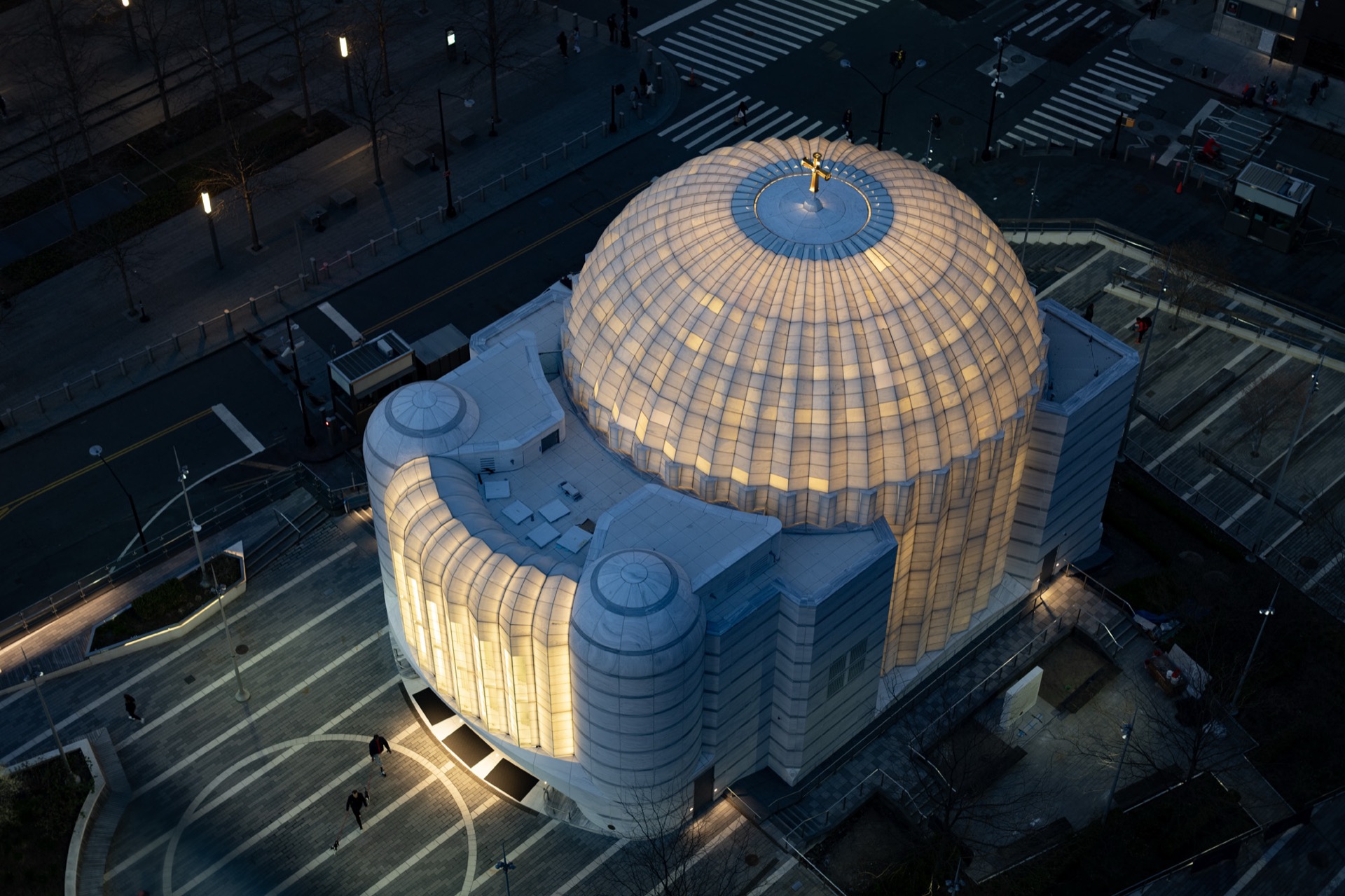 St. Nicholas Church, NYC
 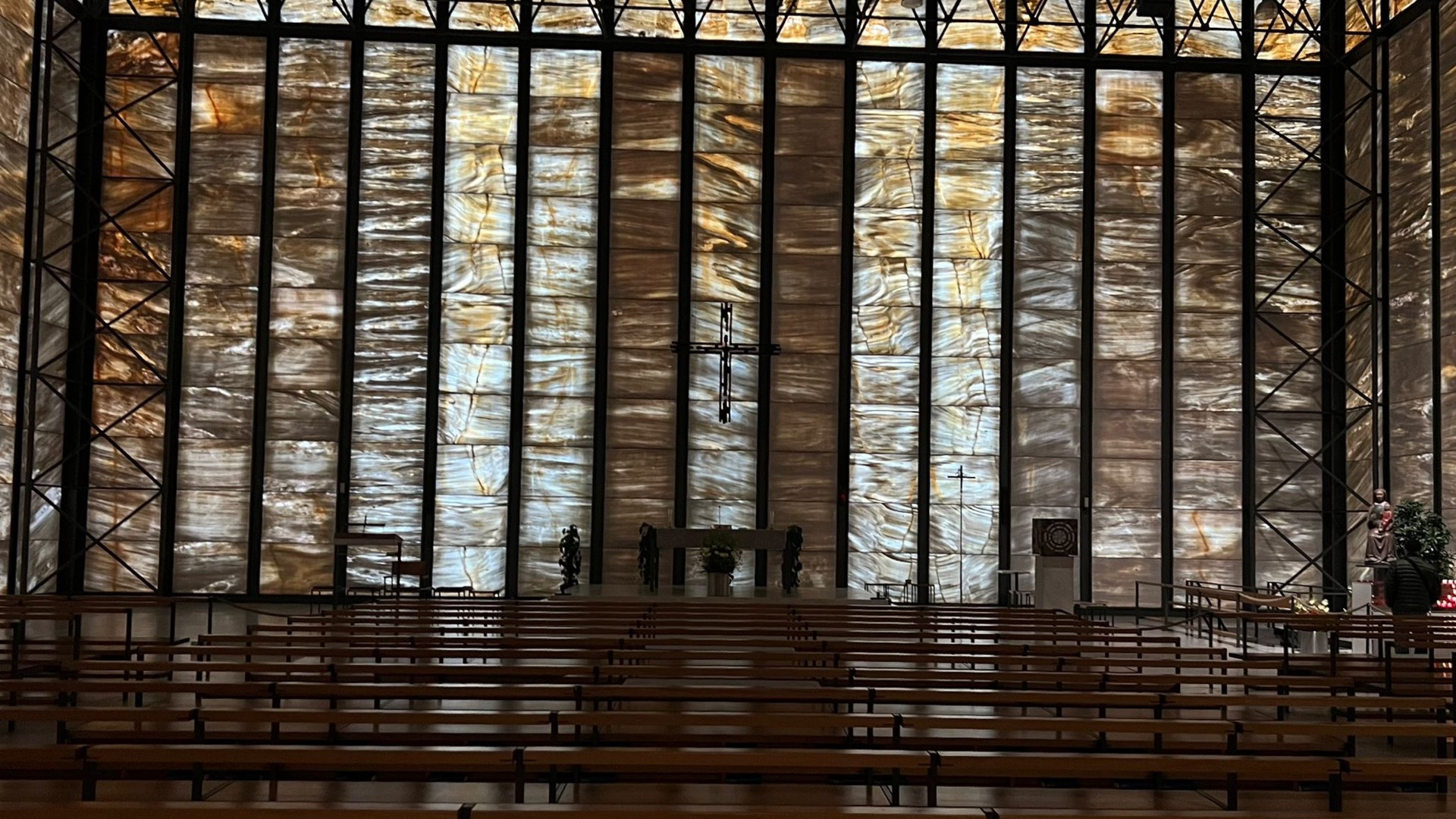 Pius Church
 Under the Attic sun, Pentelic marble glows gold. Over centuries, a fine layer of iron oxidation develops — not deterioration, but patina. The stone warms. Deepens.
The Parthenon is still becoming itself.
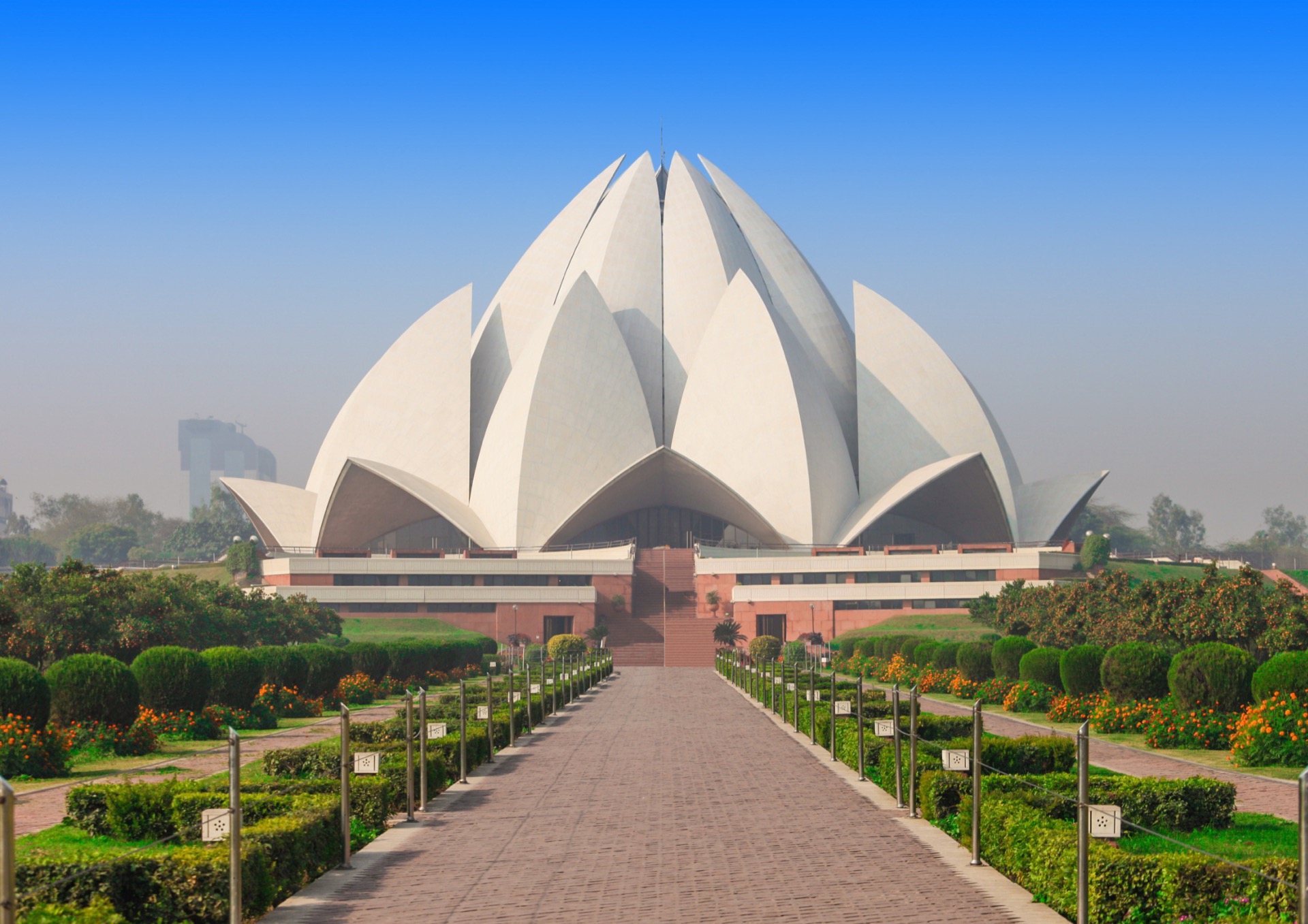 Bahai House of Worship, New Delhi
  Acropolis Monuments, Athens
 The quarry at Dionyssos operates on the same geological seam that supplied the Acropolis. The stone we extract is compositionally identical to the blocks Iktinos specified twenty-five centuries ago.
When Greece's Ministry of Culture needs material for restoration of the monuments, there is one source.
We are the sole producers of Pentelic marble.
Engineered stone is assembled from crushed quartz, polyester resins, and petrochemical binders, then cured under heat and vacuum. Its functional lifespan is twenty to twenty-five years.
Marble does not expire. It can be honed, polished, or entirely re-finished — century after century.
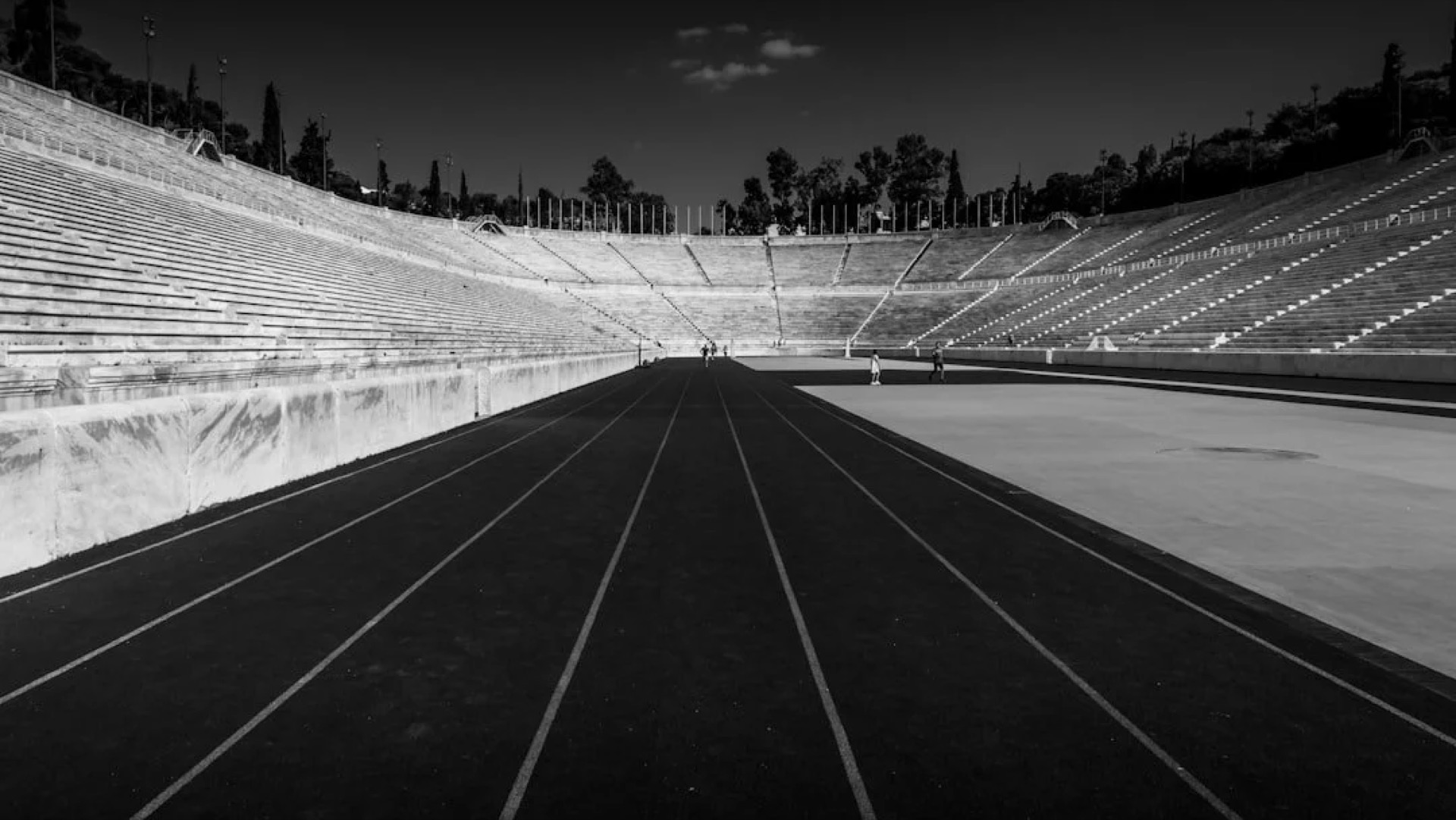
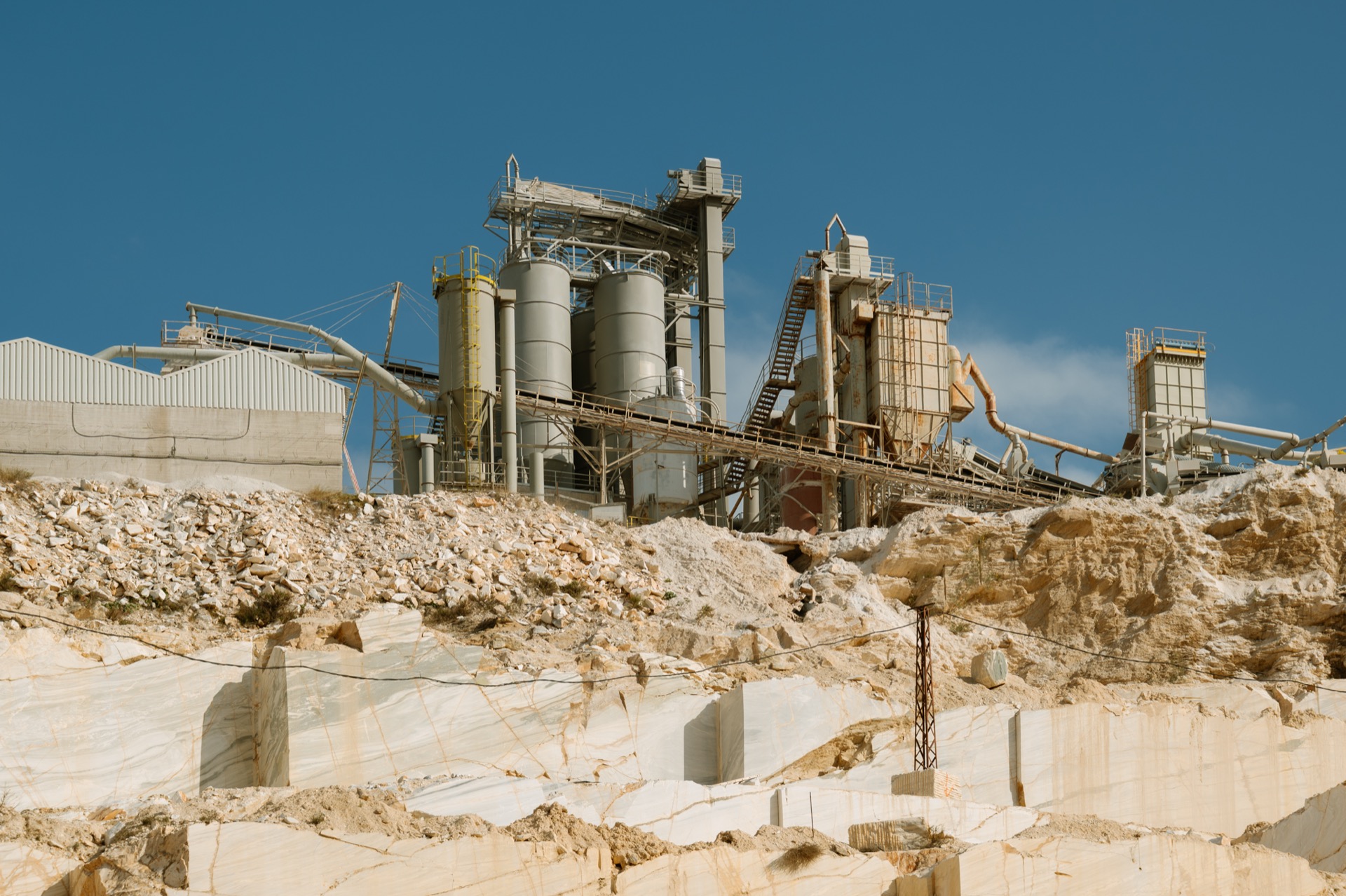
And where quarrying ends, we give the mountain back.
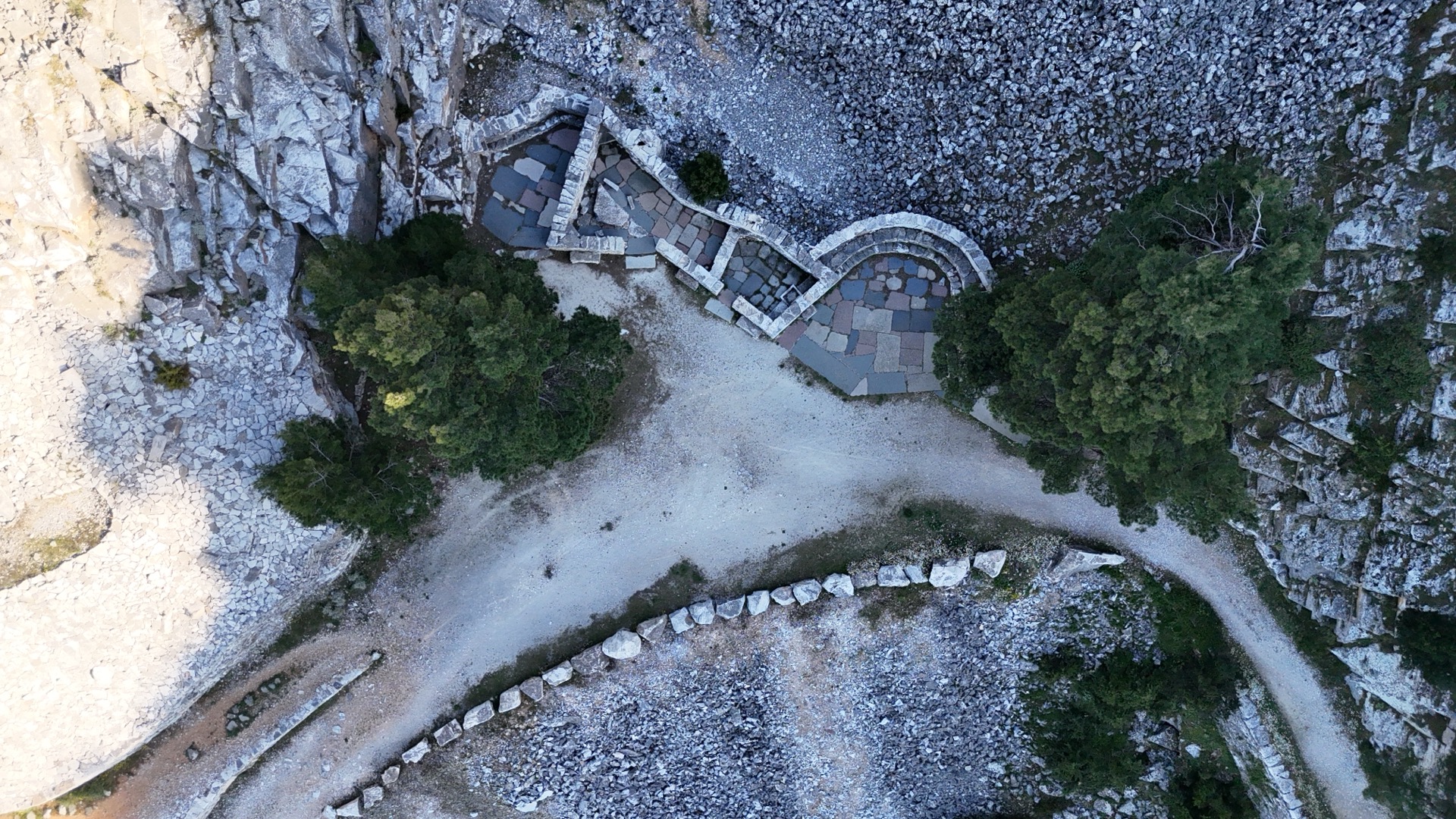
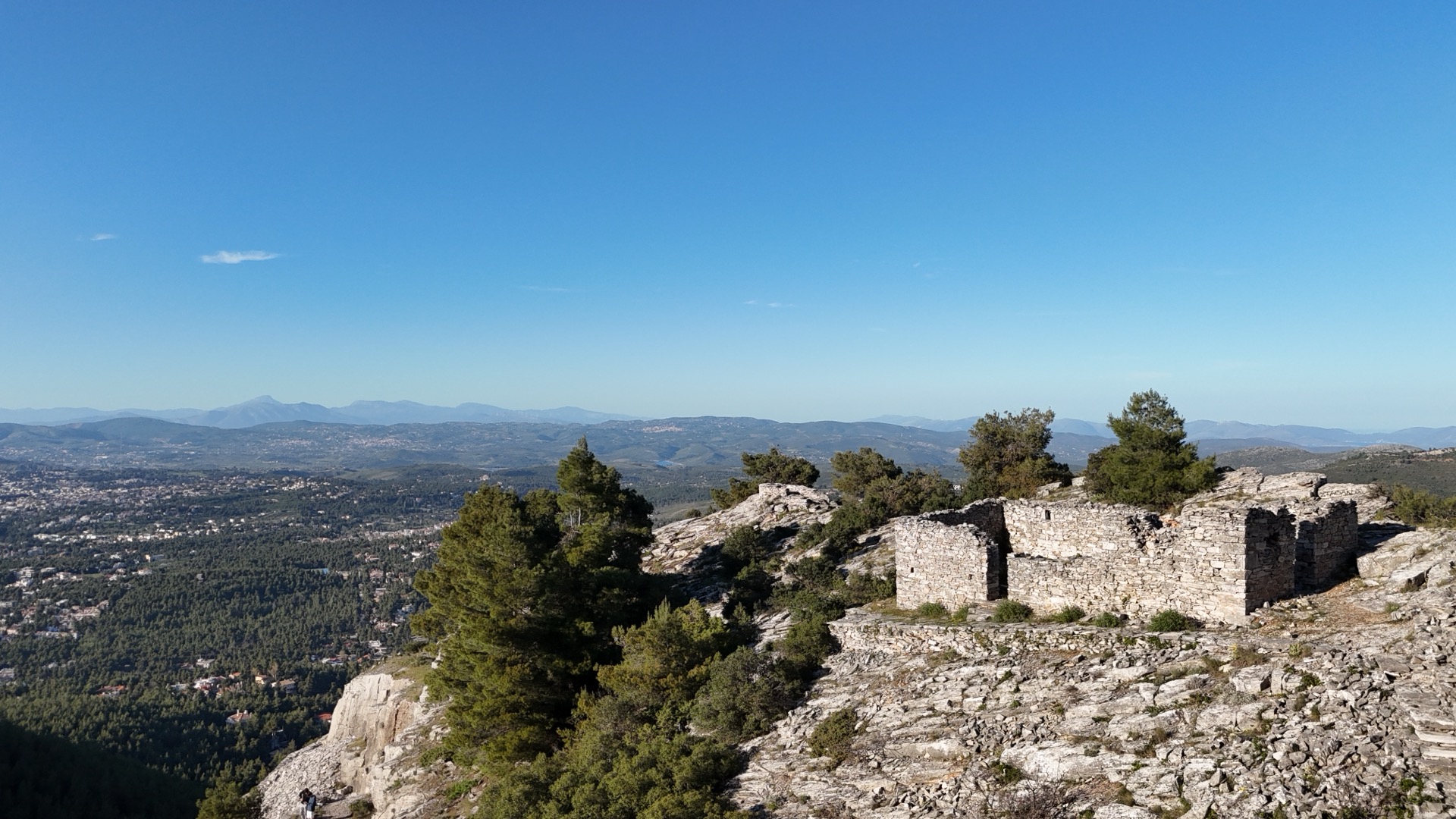
Our old quarry at Aloula, on the north face of Penteli, is now the Open Museum of Quarrying Art — awarded at the Biennale of Barcelona. Where we once extracted stone, thousands now walk among sculptures, old-growth trees, and silence.
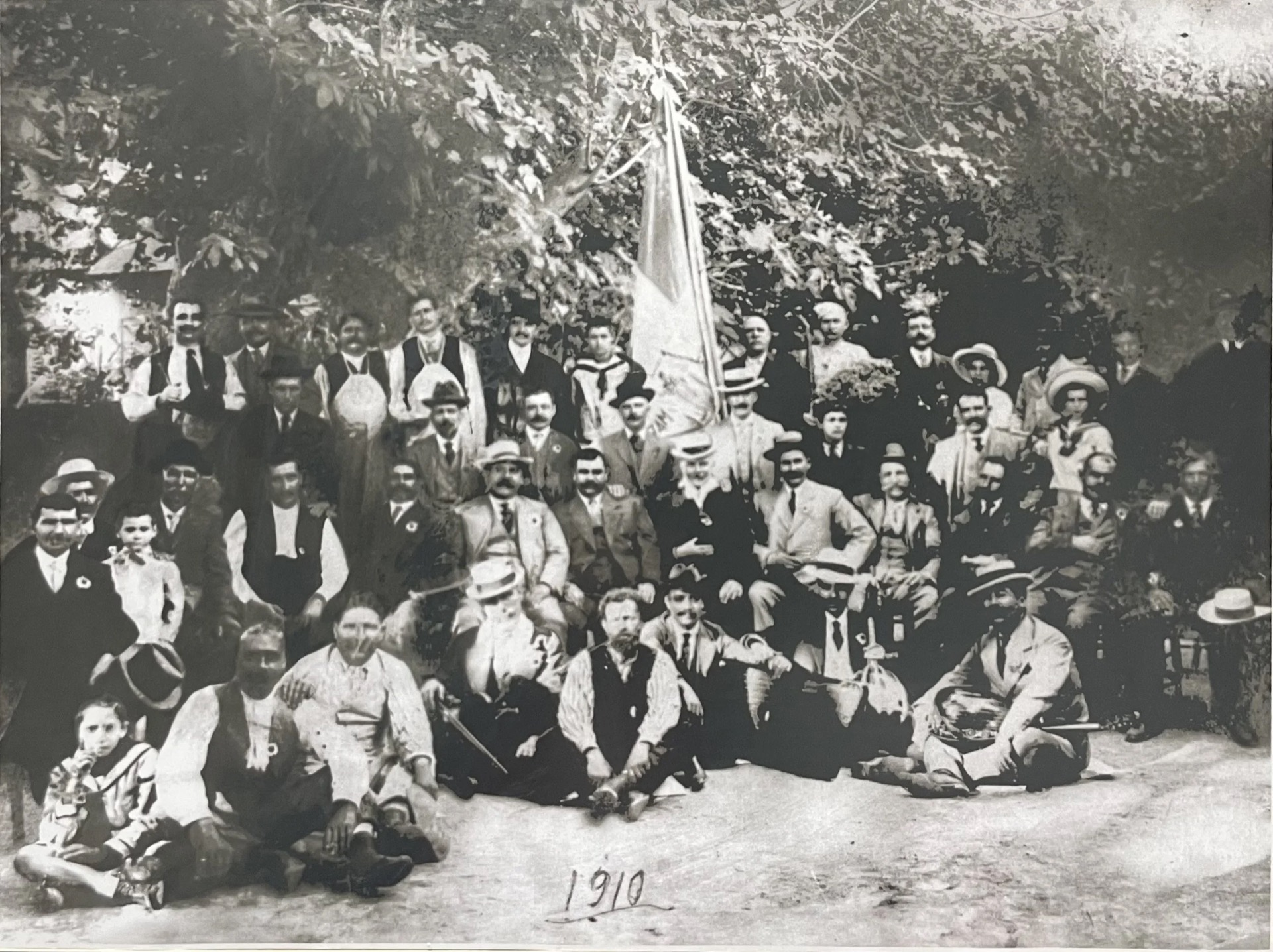 Mount Penteli, c. 1910
The golden ratio is called φ
after Phidias —
the sculptor who made
the gods visible
in this stone.
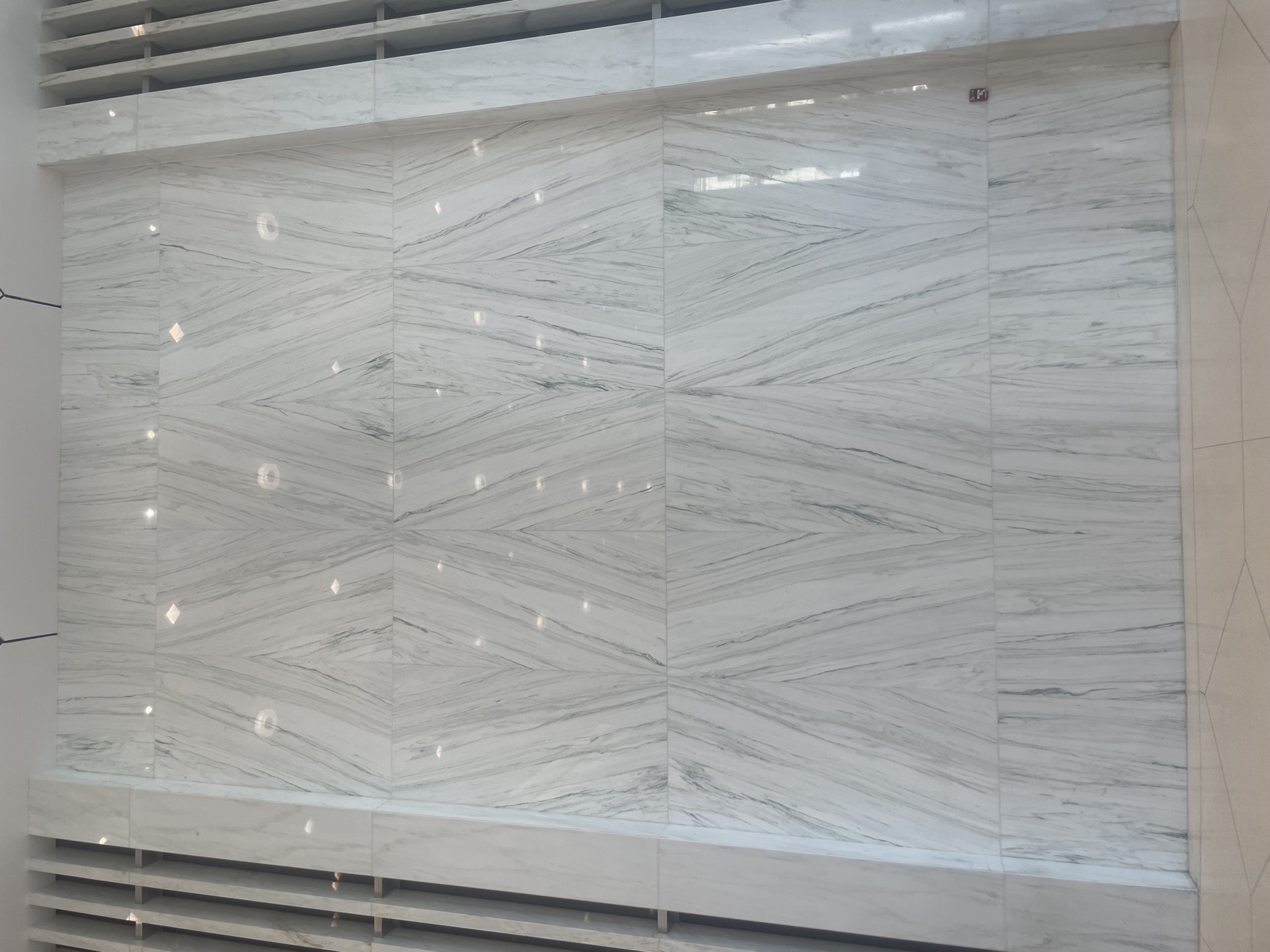 GM Building, New York
 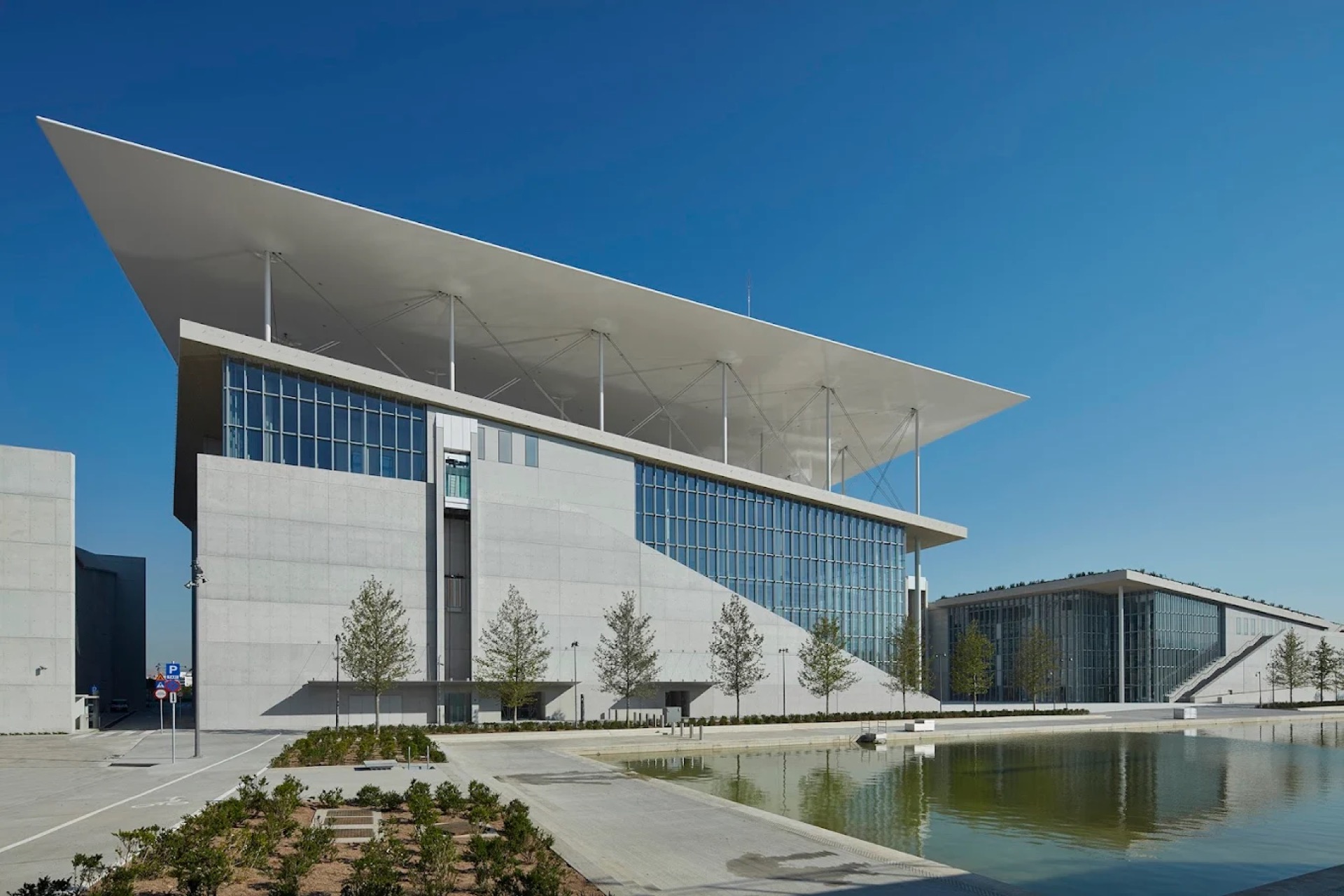 SNFCC, Athens
 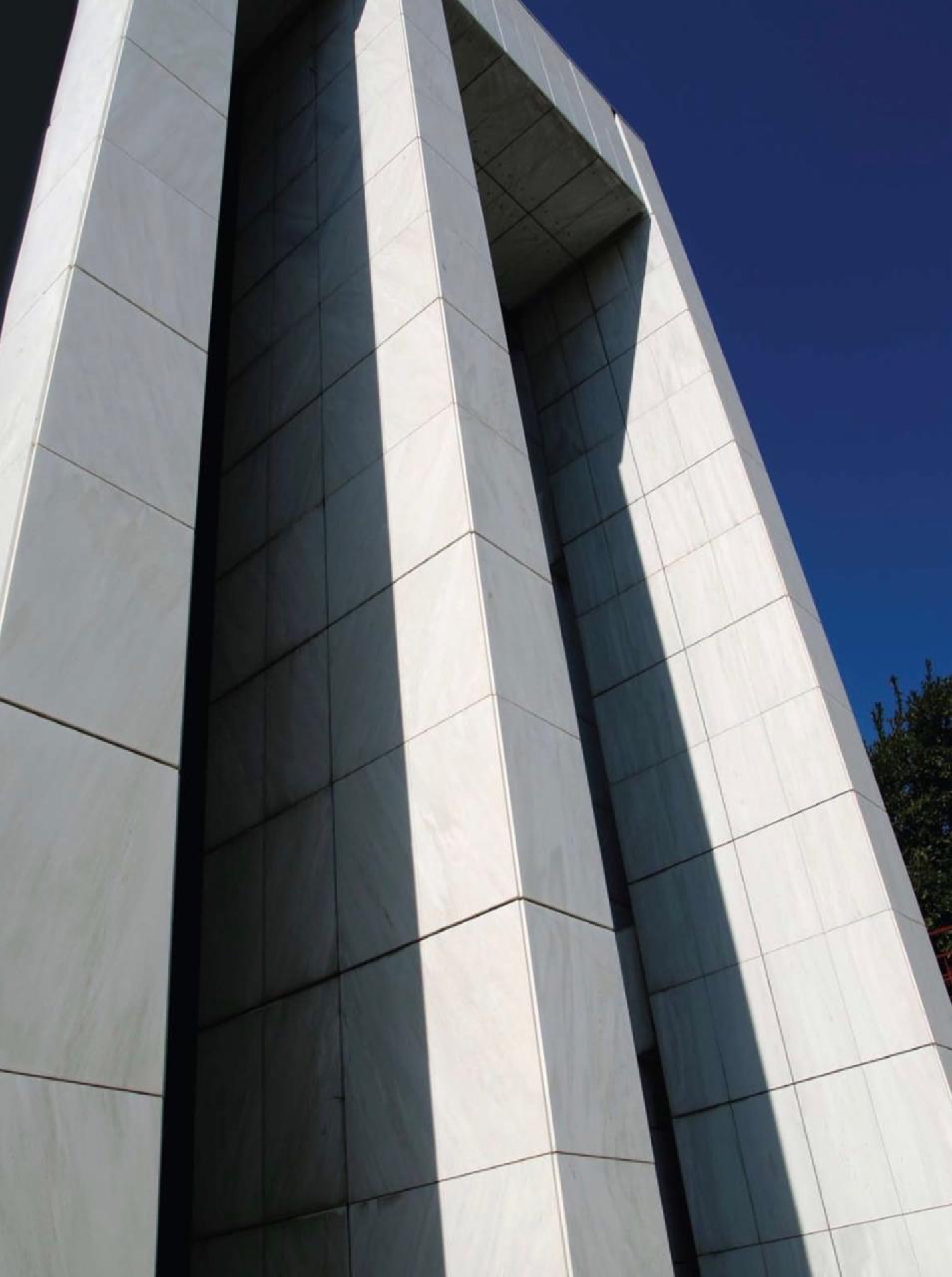 Athens Concert Hall
 From the Parthenon to the General Motors Building on Fifth Avenue.
From Phidias to Noguchi.
Same stone. Still quarried. Still here.